What is Gum Disease? A Colorado Springs, CO Dentist Explains

Gum disease, also known as periodontal disease, is a common but often overlooked dental condition that affects millions of people each year. It ranges from simple gum inflammation to severe damage to the soft tissue and bone that support the teeth. Understanding the causes, symptoms, and treatment options for gum disease is crucial for maintaining a healthy smile. Here at Cheyenne Mountain Dental Care, your trusted Colorado Springs, CO dentist, we’re committed to educating our patients on this important issue.

Causes of Gum Disease

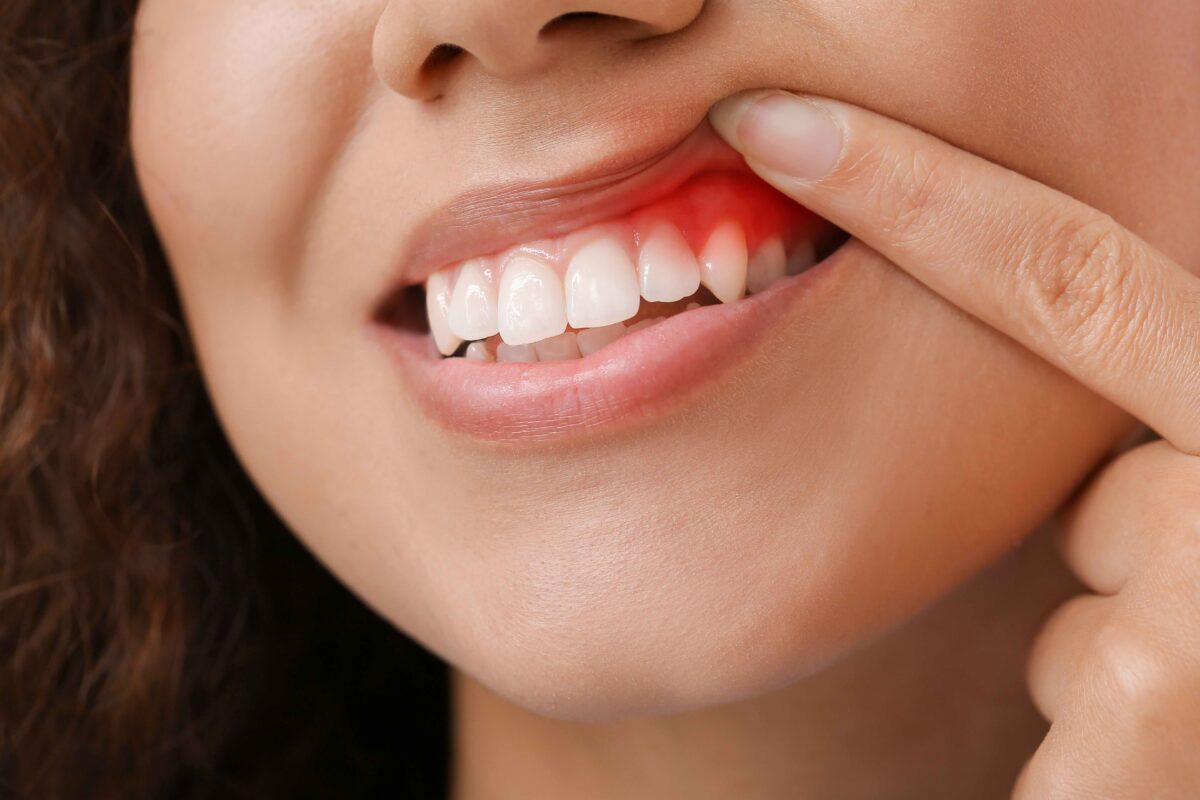
Gum disease is primarily caused by plaque, a sticky film of bacteria that forms on teeth. When plaque is not removed by brushing and flossing, it can harden into tartar, which only a dental professional can remove. This tartar build-up can lead to gingivitis, the early stage of gum disease, characterized by red, swollen, and bleeding gums. If left untreated, gingivitis can advance to periodontitis, a more severe form of gum disease that damages the bones and tissues supporting your teeth.

Additional factors that can contribute to gum disease include:

  • Poor oral hygiene
  • Smoking or chewing tobacco
  • Genetic predisposition
  • Diabetes
  • Medications that reduce saliva flow

Symptoms of Gum Disease

Recognizing the signs of gum disease early can prevent further damage to your oral health. Symptoms can vary depending on the stage of the disease but commonly include:

  • Red, swollen, or tender gums
  • Bleeding during brushing or flossing
  • Persistent bad breath
  • Receding gums, which make teeth look longer
  • Loose or shifting teeth

If you experience any of these symptoms, it’s essential to schedule an appointment with a Colorado Springs, CO dentist, such as Cheyenne Mountain Dental Care, to assess your gum health.

Stages of Gum Disease

  1. Gingivitis: This early stage of gum disease is reversible with proper oral care and professional dental cleanings. Gingivitis symptoms include red, swollen gums that may bleed when brushing or flossing.
  2. Periodontitis: At this advanced stage, the gums begin to pull away from the teeth, forming pockets that become infected. Toxins produced by bacteria and the body’s natural response to infection start breaking down the bone and connective tissue that hold teeth in place.
  3. Advanced Periodontitis: In the final stage, the bones and fibers supporting the teeth are destroyed, which may cause teeth to shift or become loose. This can affect your bite and may lead to tooth loss.

Treatment Options for Gum Disease

At Cheyenne Mountain Dental Care in Colorado Springs, we offer a variety of treatment options depending on the severity of the gum disease. Treatments include:

  • Professional Dental Cleanings: Removing plaque and tartar from above and below the gum line.
  • Scaling and Root Planing: A deep-cleaning procedure that removes bacteria and smooths the tooth’s root surfaces, helping gums reattach to the teeth.
  • Surgical Treatments: For severe cases, surgical procedures like flap surgery or bone grafts may be necessary to restore supportive tissues and bone.

Preventing Gum Disease

The best way to prevent gum disease is by practicing good oral hygiene. This includes brushing twice daily, flossing daily, and visiting your dentist regularly for check-ups and cleanings. Quitting smoking, maintaining a healthy diet, and managing health conditions like diabetes can also help reduce your risk.

Visit Cheyenne Mountain Dental Care in Colorado Springs, CO

Gum disease can be a serious condition, but it is preventable and treatable with proper care. If you’re experiencing symptoms or want to ensure your gums remain healthy, our team at Cheyenne Mountain Dental Care is here to help. Contact us today to schedule an appointment and learn more about maintaining a healthy smile in Colorado Springs, CO.

By understanding and addressing gum disease early, you can protect your oral health and keep your smile beautiful for years to come.
What’s Your Toothbrush Made of?

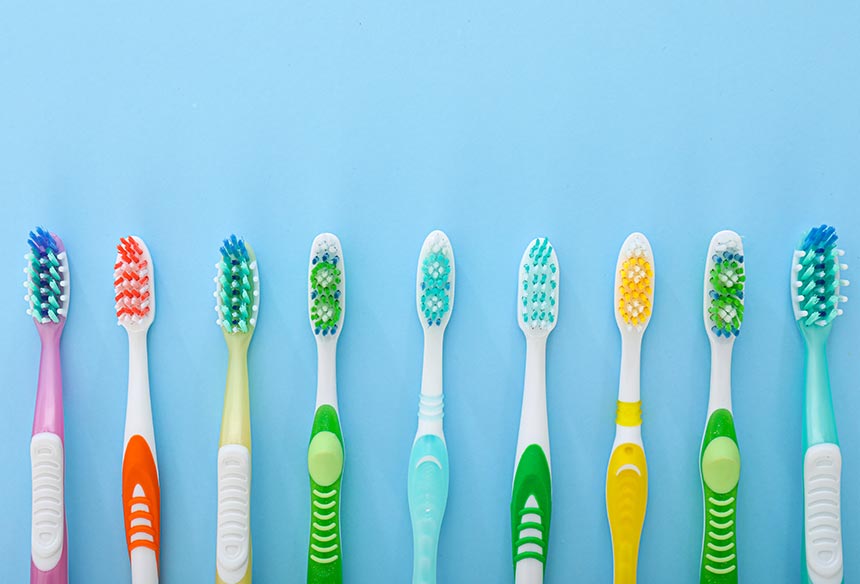
You probably know that it’s important to keep up with daily brushing & flossing to keep your teeth & gums healthy & maintain your oral health, but you might be wondering what the toothbrush you use every day is made of.

How to Safely Store Your Toothbrush

We all know that brushing your teeth is essential, but did you know that how you store your toothbrush can affect your oral health?

Your oral health depends on minimizing harmful bacteria that cause infections & cavities. Brushing your teeth helps clear away food particles that feed the bacteria in your mouth, but if your toothbrush isn’t clean, you can introduce even more bacteria into your mouth!

Here are some ways you can make sure your toothbrush (& your mouth) stays clean.

Don’t Cover Your Toothbrush

You might think that using a toothbrush cover or keeping your toothbrush in a cabinet or drawer will protect it from bacteria & other germs in your bathroom, but this actually doesn’t allow your toothbrush to fully dry. When your toothbrush can’t completely dry, it creates an environment that is far better suited for bacteria to grow. 

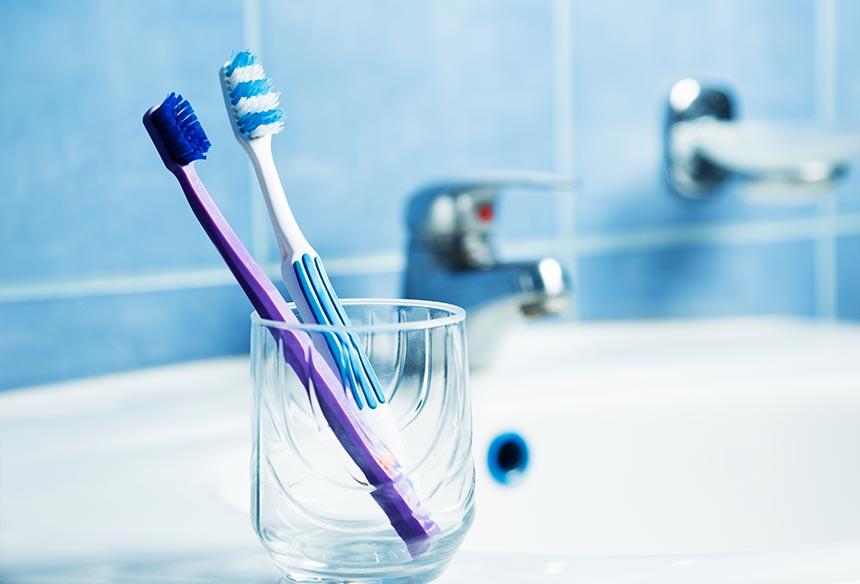
It’s best to store your toothbrush upright & in a way that allows it to air dry. If you share a bathroom or have multiple toothbrushes, make sure that the heads don’t touch one another—that can allow bacteria & germs to transfer between the toothbrushes.

Close the Toilet Lid Before Flushing

Since you should be storing your toothbrush out in the open, it’s important to minimize contaminants in the air. The easiest way to do this is to flush the toilet with the lid closed. When you flush with the lid open, bacteria & other particles are sent into the air—they can travel up to six feet, & you definitely don’t want anything from the toilet getting on anything in your bathroom, especially your toothbrush!

If you share a bathroom & aren’t able to get everyone to put the toilet lid down, try storing your toothbrush in your bedroom. 

Keep Your Toothbrush Away From the Sink

Unfortunately, just closing the toilet lid isn’t enough to protect your toothbrush. If you store your toothbrush too close to the sink, it can be splashed by soap or dirty water, & you don’t want that in your mouth either!

The best solution is to keep your toothbrush in a corner of your bathroom away from the sink & toilet. If you’re strapped for space, you can get a wall-mounted toothbrush holder to place high enough to avoid any splashing from the sink. 

Clean Your Container Often 

Whether you use a cup, a wall-mounted holder or something else to store your toothbrush, you’ll need to clean it regularly to avoid a buildup of dust, germs & bacteria. You can wipe your toothbrush holder with an antibacterial wipe, wash it in the sink with warm soapy water or put it in the dishwasher if it’s dishwasher-safe.

How Much Are Your Teeth Worth?

It’s easy to take your teeth for granted. But if you neglect them, they can end up costing a lot. Let’s take a look at what teeth might be worth from a couple different perspectives & you might just see that there’s immense value in taking the time to care for them regularly.

Baby Teeth

For kids around the world, the value of a tooth is tangible. Children who put their lost teeth under their pillows at night find the teeth replaced by money in the morning. Baby teeth (also called milk teeth) have gained value over the years—now, many children receive as much as $5 per tooth!

Replacing Adult Teeth

For adults, losing teeth isn’t quite as profitable. As an adult, if you lose a tooth you don’t get a visit from the Tooth Fairy with some cash, & you won’t have another tooth come in to take its place, either!

Instead, losing a tooth results in a trip to the dentist, who will likely recommend treatment that includes an implant, crown or bridge—or even dentures if enough teeth are missing. Such treatment to replace teeth can cost hundreds or thousands of dollars, depending on your dental insurance & what your specific dentist charges. The result of this work would be some very valuable teeth indeed!

Repairing & Improving Teeth

Not all dental treatment is as extreme or expensive. Tooth decay can lead to tooth loss, but when caught early, the tooth can be fixed with more moderate treatment such as a filling, which is typically more affordable than tooth replacements.

Additionally, cosmetic dentistry, including teeth whitening & aesthetic treatment to straighten teeth, can greatly improve the value of your teeth, both by increasing your confidence & potentially preventing costly dental treatment in the future by making them easier to care for—& providing more incentive to do so.

Maintaining Oral Health

The best way to avoid losing your adult teeth is to keep up with your brushing & flossing at home & make sure you don’t miss your six-month dental appointments. These practices cost a few minutes a day & about an hour or so every six months, but can save a lot of money in the long term by preventing tooth decay that can lead to tooth loss & other dental problems.

Additionally, make sure to replace your toothbrushes every few months & stay stocked on floss & fluoride rinse—the cost of doing so is minimal compared to the cost of replacing or repairing damaged teeth.

Think of It as an Investment

In the end, any time or money spent on your teeth is an investment. You need strong, healthy teeth to be able to eat the foods that will keep you healthy overall. Plus, a clean, bright smile does wonders for your confidence, no matter what age you are!

Stop Teeth Grinding With These Techniques

Grinding your teeth, or Bruxism, can lead to increased wear on your teeth and, if bad enough, can result in the need for restorative care if wear results in chipped teeth or a misaligned bite. There are several techniques that you and your dentist can do to stop grinding.